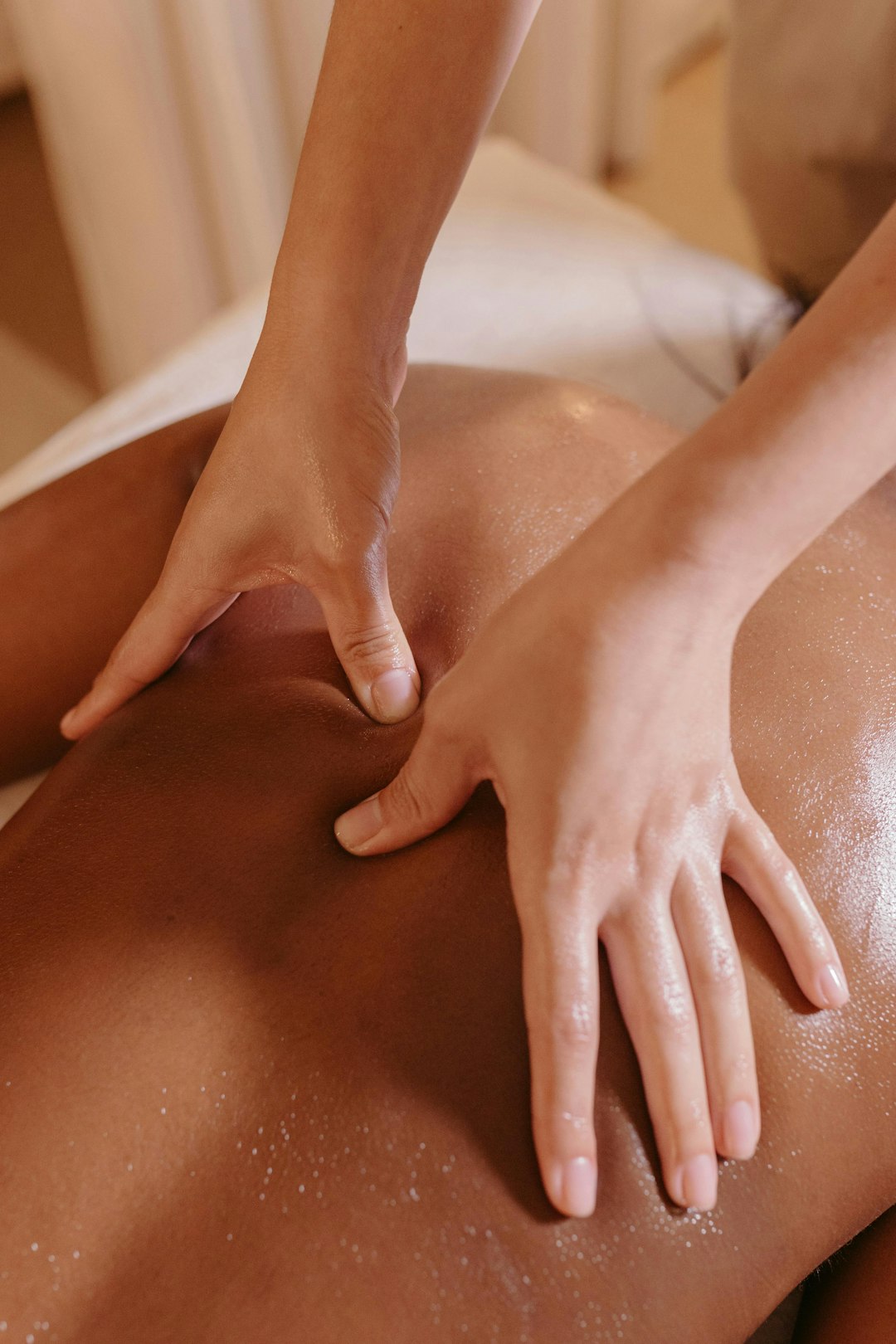
Massage Spa Abuse Lawyer Baltimore MD: A Comprehensive Analysis
Introduction
In the realm of wellness and legal services, the intersection of massage therapy and spa treatments has given rise to a specialized field focusing on client protection and justice—the Massage Spa Abuse Lawyer in Baltimore, Maryland. This phenomenon addresses a growing concern regarding instances of abuse, exploitation, and unethical practices within the massage and spa industry. The purpose of this article is to delve into the multifaceted world of massage spa abuse lawyering, exploring its definition, global impact, economic implications, technological innovations, regulatory framework, challenges, case studies, and future prospects in Baltimore, MD, and beyond.
Understanding Massage Spa Abuse Lawyer Baltimore MD
Definition
A "Massage Spa Abuse Lawyer" is a legal professional specializing in representing clients who have experienced abuse, harassment, or discrimination within the massage and spa industry. These lawyers navigate complex legal issues surrounding employment law, consumer rights, and personal injury to ensure justice for their clients. Their expertise lies in interpreting state and local regulations that govern massage parlors, spas, and related businesses.
Core Components
- Employment Law: Lawyers address issues like unfair labor practices, wage disputes, sexual harassment, and discrimination against employees working in massage spas.
- Consumer Protection: They protect clients' rights against fraudulent advertising, hidden fees, and unfair business practices during spa treatments.
- Personal Injury: This aspect involves compensation for physical or emotional harm caused by negligent or abusive actions during massages.
- Regulatory Compliance: Ensuring that massage businesses adhere to local health, safety, and licensing regulations is a critical role.
Historical Context
The rise of massage therapy and spa culture globally has paralleled the evolution of consumer protection laws. In Baltimore, MD, as in many cities, the need for specialized legal services emerged from reports of exploitation and human trafficking within the massage industry. Over time, this led to increased scrutiny and the development of more robust legal frameworks to protect individuals seeking wellness services.
Global Impact and Trends
The issue of massage spa abuse transcends national boundaries, reflecting a universal concern for ethical practices in the wellness sector.
- International Influence: Many countries have witnessed similar patterns of abuse within their massage and spa industries, prompting the formation of specialized legal associations and advocacy groups. For instance, the Global Spa Industry Association (GSIA) promotes ethical standards and supports anti-trafficking efforts worldwide.
- Key Trends:
- Rising Consumer Awareness: Educated consumers are increasingly demanding transparency, ethical practices, and high-quality services, influencing industry standards.
- Technological Integration: Online booking platforms and reviews have both empowered consumers and exposed businesses to increased scrutiny.
- Stringent Regulations: Governments worldwide are implementing stricter regulations to combat human trafficking and protect vulnerable workers in the massage sector.
Economic Considerations
The economic landscape of the massage spa industry is significant, with numerous businesses and a diverse range of employment opportunities.
- Market Dynamics: Baltimore's wellness tourism sector contributes substantially to the local economy, attracting visitors seeking high-end spa experiences. According to the U.S. Travel Association (2022), spa and wellness travel in the U.S. generated $48.7 billion in 2021.
- Investment Patterns: High-end spas and luxury hotels often dominate the market, attracting significant investment. However, smaller, independent massage businesses also thrive, providing diverse employment opportunities.
- Legal Impact: Massage spa abuse lawyers play a crucial role in maintaining fair business practices, ensuring that economic growth is sustainable and benefits all stakeholders, including employees and clients.
Technological Advancements
Technology has both enhanced and complicated the landscape of massage therapy and legal services:
| Advancements |
Impact |
Future Potential |
| Online Booking Systems |
Streamlined appointment scheduling, improved customer service, and increased transparency in pricing. |
Integration with AI for personalized treatment recommendations and automated booking reminders. |
| Customer Review Platforms |
Enhanced consumer awareness and business accountability through online feedback. |
Advanced review systems that utilize sentiment analysis to provide real-time insights into service quality. |
| Telehealth Services |
Expansion of remote consultations and therapy sessions, especially during the COVID-19 pandemic. |
Development of virtual reality (VR) massage experiences for enhanced at-home wellness. |
Policy and Regulation
Governing bodies in Baltimore, MD, have implemented policies to address issues within the massage and spa industry:
- Licensing and Permits: The Maryland Department of Labor requires massage therapists and spa businesses to obtain licenses and permits, ensuring minimal standards of safety and sanitation.
- Labor Laws: State laws prohibit discrimination, sexual harassment, and unfair labor practices in the industry.
- Health and Safety: Local health departments oversee regulations related to hygiene, disease prevention, and safe working conditions.
- Human Trafficking Prevention: Maryland has stringent anti-trafficking laws, including provisions specific to massage businesses, aiming to protect vulnerable individuals.
Challenges and Criticisms
Despite the progress made, the field of massage spa abuse lawyering faces several challenges:
- Underreporting: Many victims of abuse within the massage industry are reluctant to come forward due to fear of retaliation or legal consequences.
- Complex Legal Landscape: Navigating a web of local, state, and federal regulations can be challenging for lawyers and businesses alike.
- Lack of Standardized Training: Inconsistent training programs for massage therapists may contribute to unethical practices, emphasizing the need for uniform education standards.
Strategies to Overcome Challenges:
- Enhance victim support services and confidentiality protections to encourage reporting.
- Streamline legal processes and provide accessible resources for businesses to understand their regulatory obligations.
- Collaborate with educational institutions to develop comprehensive training programs for massage therapists, covering ethical practices and customer service.
Case Studies
Case Study 1: The Red Flag Spa
Situation: A high-end spa in Baltimore was operating under the guise of luxury relaxation, but it was a hub for human trafficking and sexual exploitation.
Action: Local authorities, with the assistance of a dedicated massage spa abuse lawyer, conducted an undercover operation leading to the closure of the spa and the arrest of its owners. The lawyer played a pivotal role in gathering evidence and advocating for strict penalties.
Outcome: This case sent a powerful message across the industry, demonstrating the consequences of unethical practices. It also highlighted the importance of legal expertise in disrupting criminal networks and protecting vulnerable individuals.
Case Study 2: Unfair Labor Practices at Urban Oasis
Situation: A popular spa chain, Urban Oasis, faced allegations of unfair labor practices, including low wages, excessive overtime, and discrimination against female employees.
Action: A group of former employees reached out to a massage spa abuse lawyer, who filed a collective action lawsuit on their behalf. The lawyer successfully argued for back wages, improved working conditions, and policy changes.
Outcome: This case resulted in a settlement that set a precedent for fair labor practices within the industry, encouraging other businesses to review and enhance their employee policies.
Future Prospects
The field of massage spa abuse lawyering is poised for growth and evolution:
- Emerging Trends:
- Specialized Niche Practices: Lawyers may develop expertise in specific areas like sports massage therapy or pediatric massage, offering tailored legal services.
- Digital Compliance Tools: Advanced software solutions can assist businesses in adhering to regulations, reducing the risk of non-compliance.
- Strategic Considerations:
- Collaboration with Industry Associations: Partnering with organizations like the American Massage Therapy Association (AMTA) can facilitate knowledge-sharing and industry-wide awareness campaigns.
- Cross-Border Legal Cooperation: As travel and tourism rebound, international collaboration will be crucial to combat human trafficking and ensure ethical practices across borders.
Conclusion
The concept of a massage spa abuse lawyer in Baltimore, MD, represents a vital component of the global effort to protect clients and promote ethical standards within the wellness industry. From consumer rights advocacy to combating human trafficking, these legal professionals play a multifaceted role. By understanding the historical context, global impact, economic considerations, technological advancements, regulatory frameworks, challenges, and future prospects, we can appreciate the significance of this specialized field. As the wellness sector continues to evolve, so too will the need for skilled lawyers to navigate its complex legal landscape.
FAQ Section
Q: What types of cases do massage spa abuse lawyers handle?
A: Massage spa abuse lawyers take on a range of cases, including employment disputes, consumer protection issues, personal injury claims, and investigations into potential human trafficking or exploitation.
Q: How can clients protect themselves from abuse in massage spas?
A: Clients can protect themselves by choosing reputable spas with positive reviews, understanding their rights regarding consent and pricing, and reporting any suspicious activity to local authorities or legal professionals.
Q: Are there specific laws governing massage therapy in Maryland?
A: Yes, the state of Maryland has various laws protecting consumers and employees in the massage industry, including licensing requirements, health and safety standards, and anti-discrimination policies.
Q: What should I do if I suspect a massage spa is engaging in illegal activities?
A: If you suspect any illegal activity, such as human trafficking or exploitation, contact local law enforcement immediately. For non-criminal matters, consult with a massage spa abuse lawyer who can guide you on the best course of legal action.
Q: How has technology changed the landscape for massage therapy businesses?
A: Technology has enhanced customer service and transparency but also introduced new challenges, such as online reviews that can impact business reputation and the need for robust cybersecurity measures.